Understanding Your Brake System
The braking system is one of the most safety-critical parts of any vehicle. It converts kinetic energy into heat through friction, bringing the vehicle to a controlled stop. Modern braking systems are hydraulic — when you press the brake pedal, fluid pressure is transmitted through brake lines to actuate the brakes at each wheel.
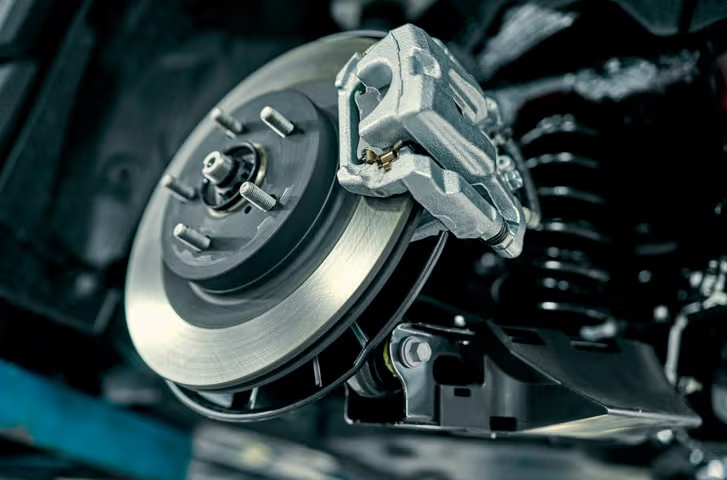
Most passenger vehicles use disc brakes on the front wheels and either disc or drum brakes on the rear. Disc brakes work by pressing brake pads against a rotor (a flat metal disc) mounted on the wheel hub. The friction between pad and rotor slows the rotation of the wheel.
Drum brakes, where fitted, use curved brake shoes that press outward against the inner surface of a drum attached to the wheel. Both systems are effective when properly maintained, but each has components that wear with use and require periodic inspection.
What We Inspect During a Brake Service
A brake inspection at Auto Repair Sale covers all the main components involved in the braking system. We don't limit the check to pads alone — a complete picture is more useful to the driver.
Brake Pads
Brake pads contain friction material bonded to a metal backing plate. As the pad presses against the rotor during braking, the friction material gradually wears away. Most pads include a wear indicator — a small metal tab — that produces a squealing noise when the pad material reaches a low thickness. We measure pad thickness on all wheels and compare the readings against the minimum safe specification.
Uneven wear between the left and right sides of an axle can also indicate a sticking caliper or other issue worth investigating. We look at wear patterns, not just overall thickness.
Brake Rotors
Rotors wear too, though more slowly than pads under normal conditions. Repeated braking generates heat that can cause rotors to develop surface variations — sometimes called runout or lateral wobble — which can result in a pulsing sensation through the brake pedal during braking. We check rotor thickness and surface condition, assessing whether resurfacing or replacement is appropriate.
Rotors that are below minimum thickness should be replaced rather than resurfaced, as they may not dissipate heat adequately.
Brake Fluid
Brake fluid is hygroscopic — it absorbs moisture from the air over time. As water content increases, the boiling point of the fluid decreases. In situations involving sustained or heavy braking, overheated fluid can vaporise, causing brake fade or, in serious cases, a significant loss of pedal feel. We test brake fluid moisture content and recommend replacement when the level exceeds the safe threshold. Most manufacturers suggest changing brake fluid every two years regardless of mileage.
Calipers
Brake calipers house the pistons that press the pads against the rotor. A caliper can develop a partially seized piston over time, which causes the pad on one side to remain in contact with the rotor even when the brakes are not applied. This leads to uneven wear and can cause the vehicle to pull to one side during braking. We inspect caliper condition and check for signs of fluid leakage from seals.
Brake Lines & Hoses
We visually inspect the brake lines and flexible hoses for signs of corrosion, chafing, or deterioration. Brake hoses can degrade internally over time, sometimes acting as one-way valves that allow pressure to build but not release — this can cause binding brakes. External cracks or swelling on hoses are indicators that replacement is needed.
Maintenance Tips for Brake Longevity
How you drive has a direct influence on how quickly your brakes wear. Here are a few practical habits that tend to extend the life of brake components without compromising safety:
- Avoid hard stops when possible: Gradual, smooth braking generates less heat and puts less stress on pads and rotors than frequent sudden stops. When conditions allow, leaving more following distance gives you time to slow down progressively.
- Use engine braking on descents: On steep downhill sections, using a lower gear to help control speed reduces how much work the brakes need to do. This is especially relevant in mountainous areas or when carrying heavy loads.
- Check your tyre pressure regularly: Underinflated tyres increase braking distances and put uneven loads on the braking system. Properly inflated tyres also reduce the likelihood of uneven brake wear.
- Don't ignore early warning signs: Squealing, grinding, pulling to one side, or a pulsing brake pedal are all worth investigating promptly. Left unattended, brake issues tend to worsen and can become more expensive to resolve.
- Schedule regular brake fluid checks: Even if your brakes feel fine, brake fluid should be tested and replaced according to manufacturer intervals or at least every two years.
The Brake Service Process at Auto Repair Sale
When you book a brake inspection with us, here is what typically happens:
We start by lifting the vehicle and removing the wheels to get a clear view of the braking components on each corner. We inspect pad thickness, rotor condition, caliper operation, and brake fluid quality. If any measurements fall below safe limits or we identify a component concern, we photograph and document what we find.
Before any parts are replaced, we contact you to explain what we've found. We provide a clear estimate covering parts and labour, and we wait for your approval before proceeding. This is a straightforward approach that we apply consistently.
Once the work is complete, we bleed the brake system if new pads or fluid were involved, ensuring consistent pedal feel. The vehicle is then road tested to confirm braking performance before handover.
Note: Brake repair timelines vary depending on what's needed. A pad replacement on a single axle can be completed in under two hours, while more involved work such as caliper replacement or a full brake fluid flush takes longer. We'll give you a realistic time estimate when you book.